Science & Insights
Deep dives into breathwork, cold exposure, and longevity science.
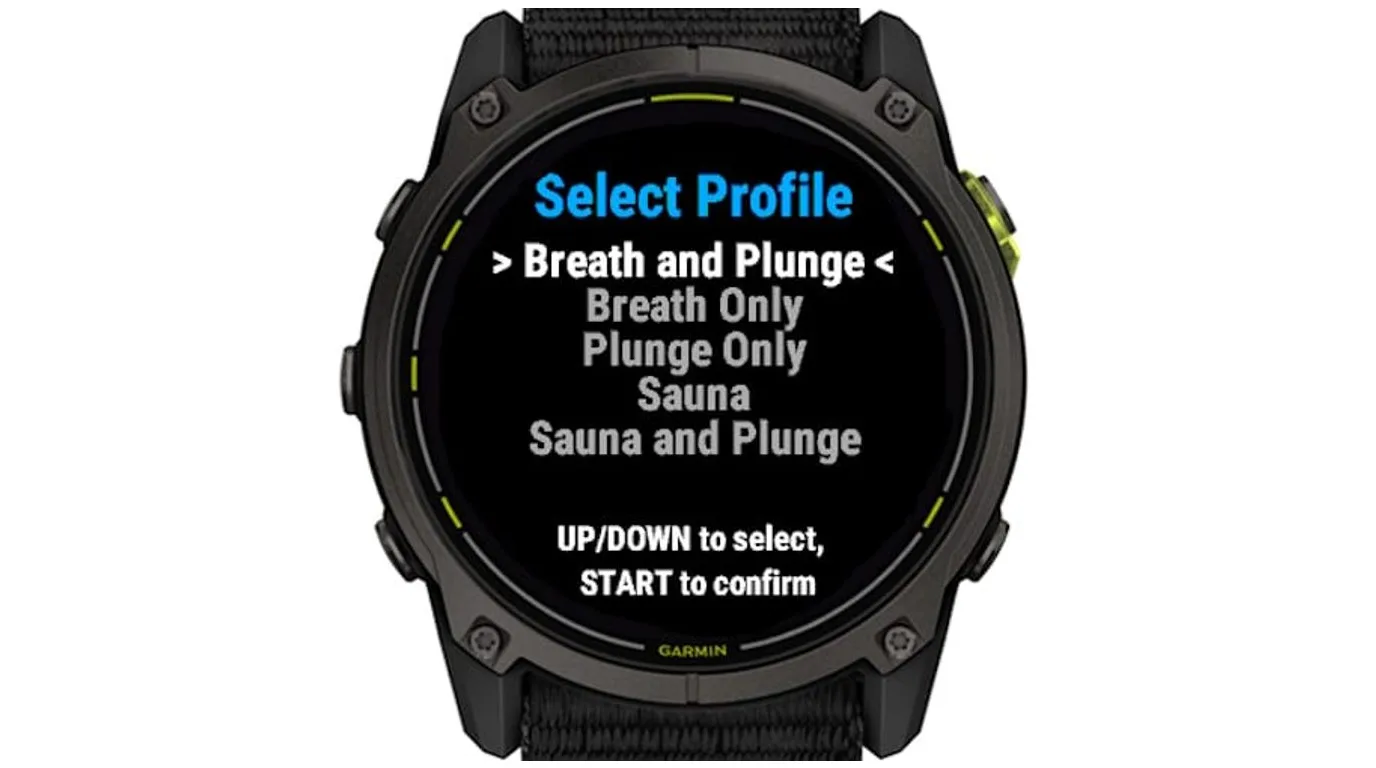
Does Garmin Track Cold Plunges? A Complete Guide to Logging Cold Exposure on Your Watch
Garmin has no built-in cold plunge activity. That single gap creates a surprising amount of confusion — and a lot of lost data. Here is exactly what your watch can and cannot capture in an ice bath, which workarounds actually work, and how to build a cold exposure log that produces something worth reading back.
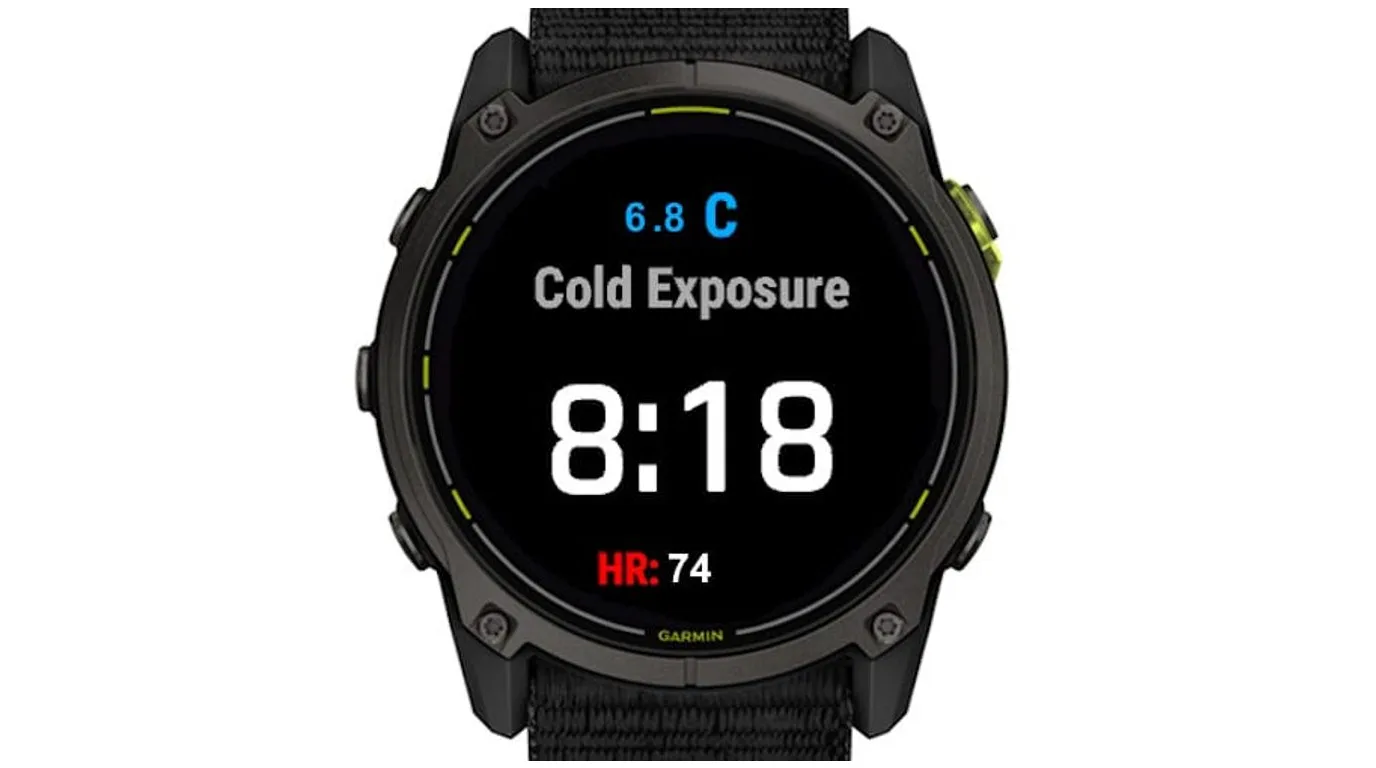
Why Your Garmin Heart Rate Goes Wrong in an Ice Bath (And What to Do About It)
Your watch reports 48 bpm while you are gasping in six-degree water. It is not broken. The same physiological response that makes cold plunging beneficial is the response that blinds the optical sensor on your wrist — and once you understand the mechanism, the fix is straightforward.
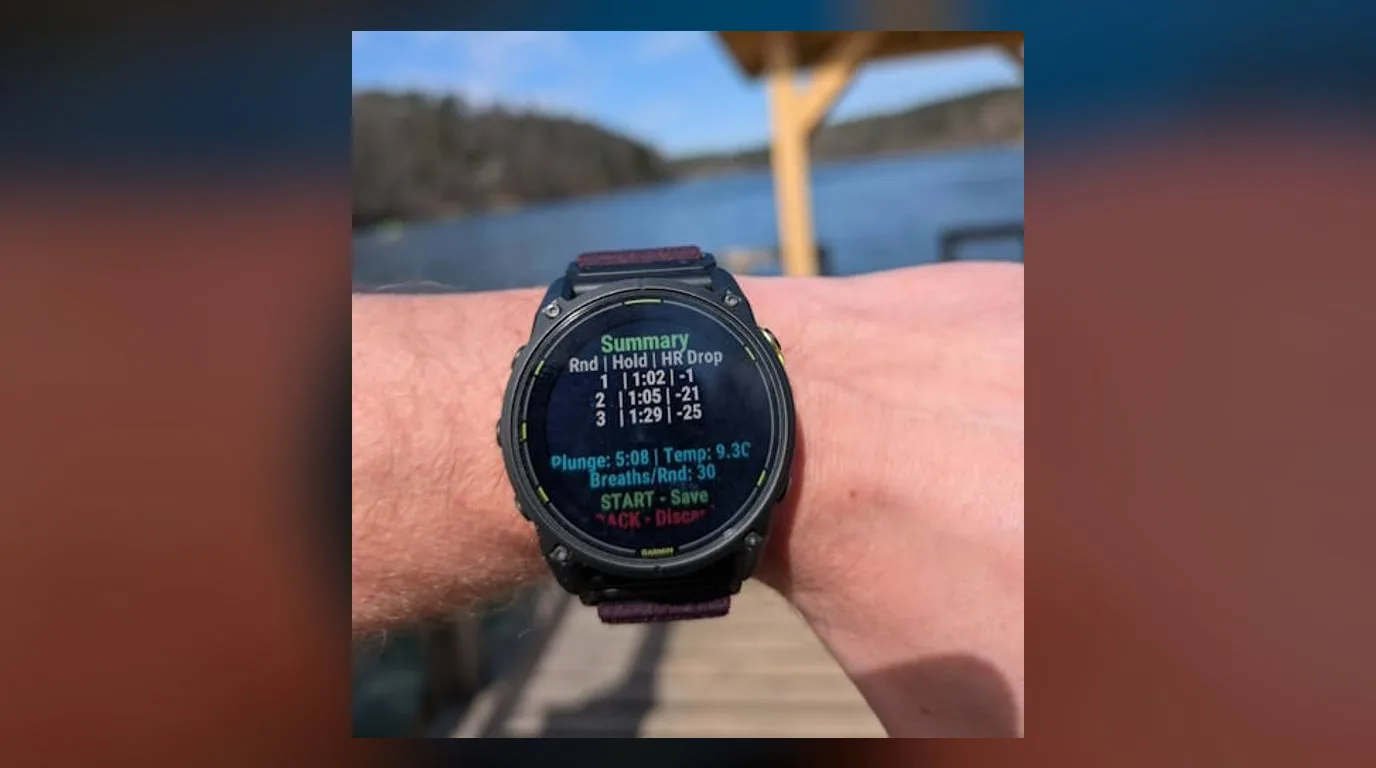
Tracking HRV Through Cold Exposure: What Garmin's Data Actually Shows
Heart rate variability is the most credible longevity biomarker on your wrist — and cold exposure has documented effects on it. But Garmin measures HRV only while you sleep, on a seven-day rolling average, which means almost everything people believe about plunging and HRV is measured on the wrong timescale.

The Vascular Workout: Why Combining Sauna and Cold Plunge Is Greater Than Either Alone
Separately, saunas and cold plunges are legendary longevity practices. But when you chain them together in back-to-back contrast cycles, you create a powerful vascular workout that forces rapid vasoconstriction and vasodilation. Here is the peer-reviewed science of why contrast therapy retrains your autonomic nervous system and keeps your blood vessels young.
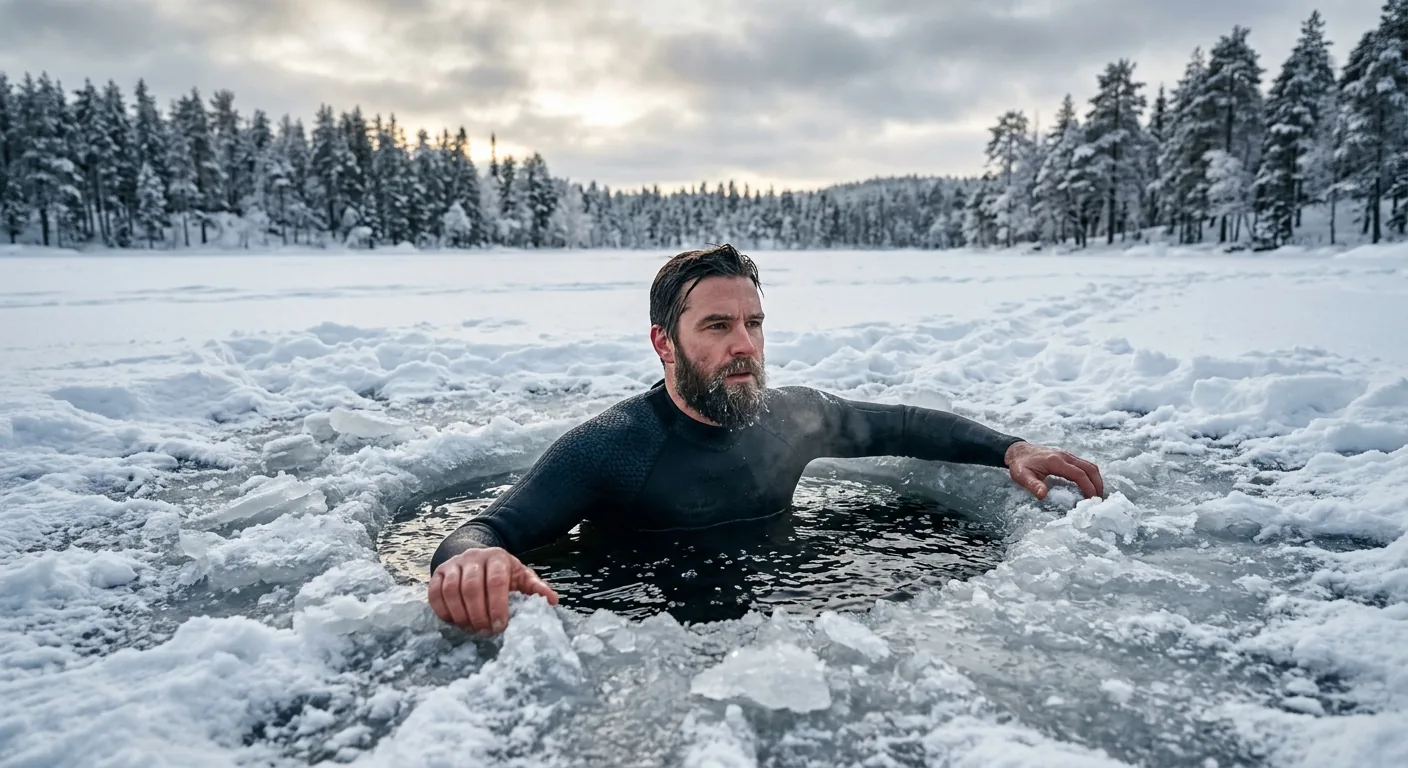
Into the Cold: The Standalone Science of Ice Baths, Cold Plunges, and Cold Showers
Cold-water immersion has become one of the fastest-growing health practices in the world. A 2025 meta-analysis synthesising data from 3,177 participants concludes that the science, while still maturing, is real: lower stress, better sleep, improved immunity, and a cascade of cellular adaptations that may meaningfully slow biological aging. This article examines cold therapy on its own merits, separate from breathwork and sauna, which are explored in other parts of this series.
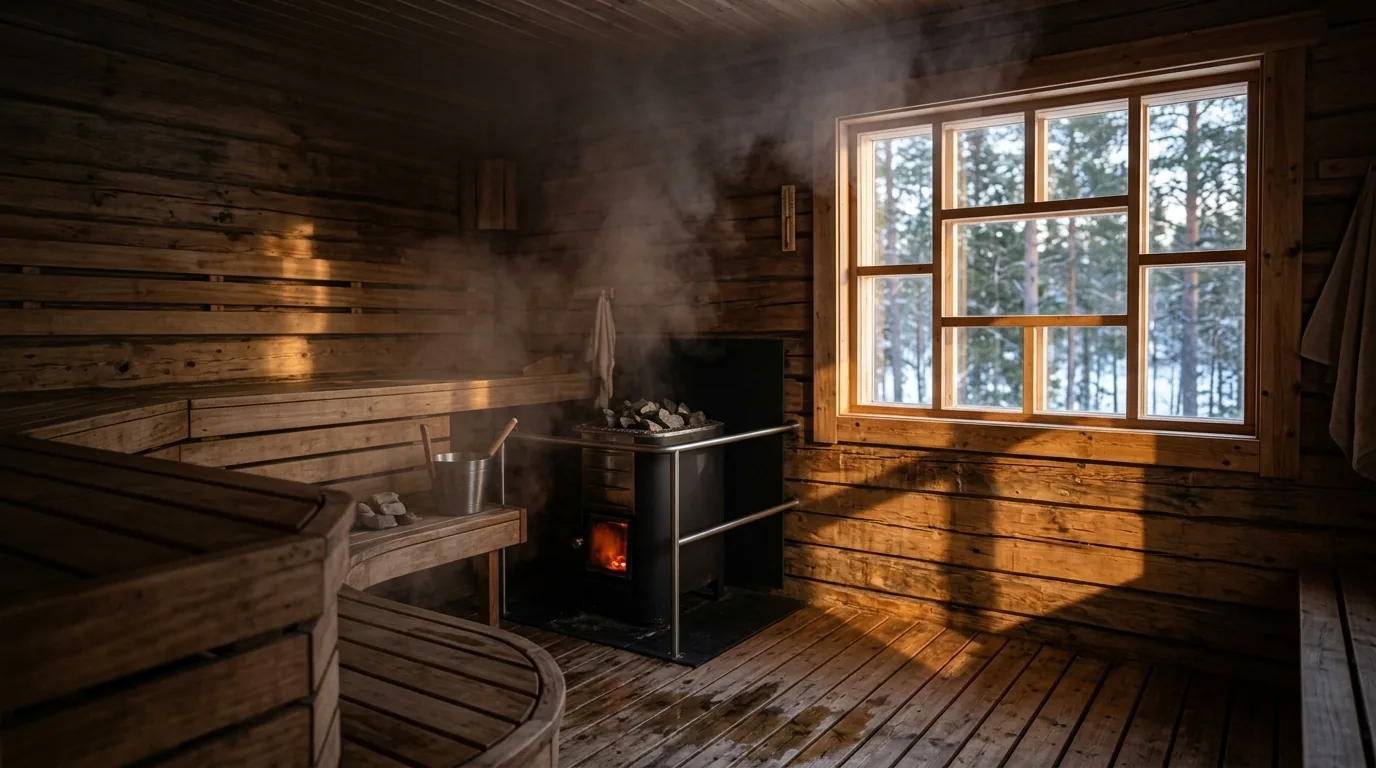
The Oldest Longevity Hack in the World: The Remarkable Science Behind Sauna
Finns have been using saunas for over two thousand years. It took modern science until 2015 to catch up with what they already knew: sitting in a hot room, regularly and often, is one of the most powerful things a human being can do for the length and quality of their life.

Every Breath You Take: The Science of Breathing Your Way to a Longer Life
From the ice-cold teachings of Wim Hof to ancient yogic pranayama, controlled breathing exercises are moving from wellness trend to legitimate medicine — with a growing body of peer-reviewed research to back them up.
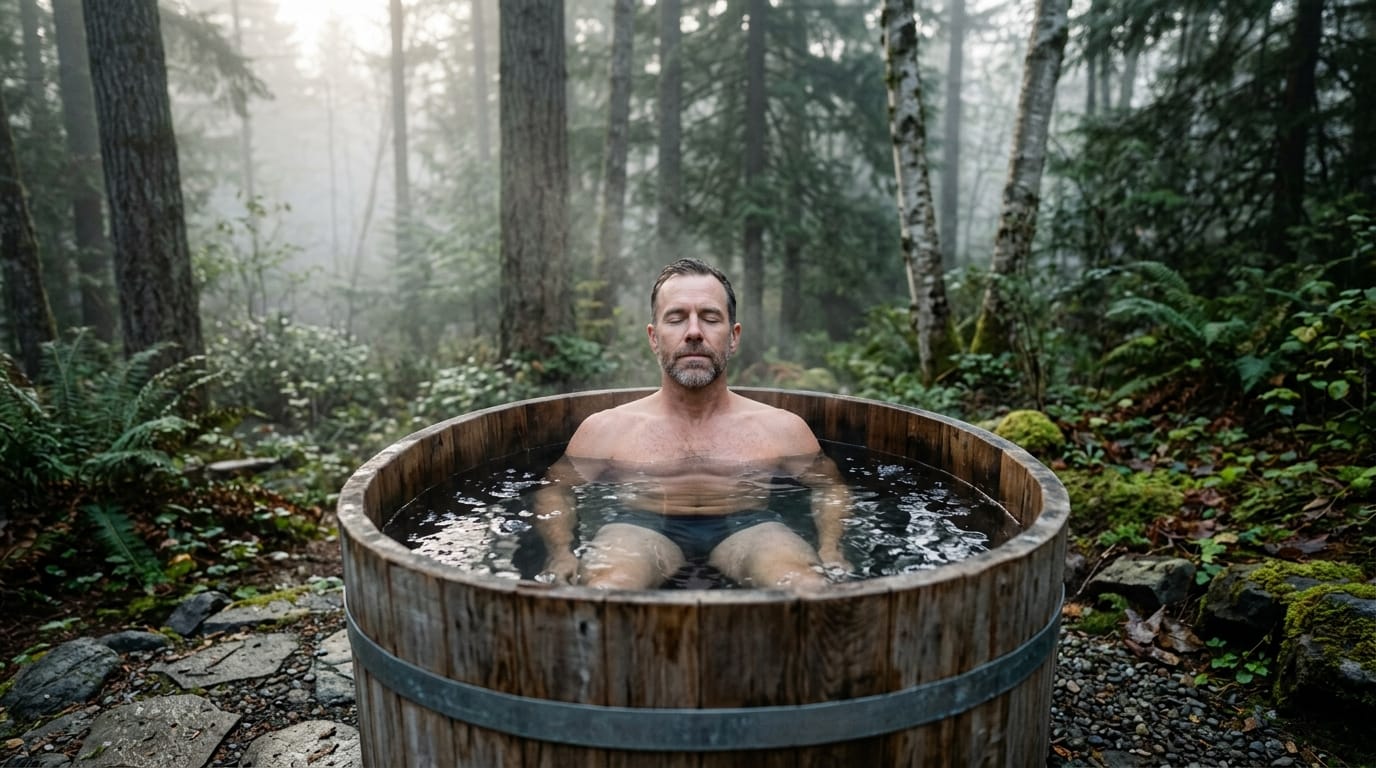
Fire and Ice: Why Combining Breathwork with Cold Exposure Is the Most Powerful Longevity Practice You’re Not Doing
Ice baths and breathing exercises each carry an impressive body of science on their own. But when you pair them deliberately — before, during, and after cold exposure — something more profound happens. The sum turns out to be greater than its parts.